Understanding Ebola: A Comprehensive Guide to Causes, Symptoms, Treatment, and Prevention
BlogTable of Contents
- Using Genomics to Follow the Path of Ebola | NIH Director's Blog
- Free picture: ebola, hemorrhagic, fever, virus, cells, ebola, severe ...
- Ebola virus disease and breastfeeding: time for attention – Healthy ...
- Ebola: Disease forecast model gave accurate numbers of infections ...
- 7 facts you should know about the Ebola outbreak - Vox
- ASLM Ebola Outbreak: Laboratory Workers as Key Partners
- Ebola treatment center in Congo reopens after attack, but without ...
- 'Dead' Ebola victim wakes in plastic
- What Next For The Ebola Outbreak? Here's What The Math Says | HuffPost
- Ebola Outbreak: The Most Effective Ways to Minimize the Spread of the ...
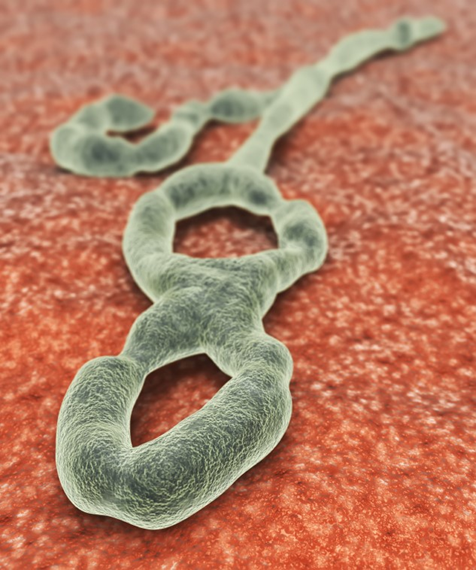

What is Ebola?
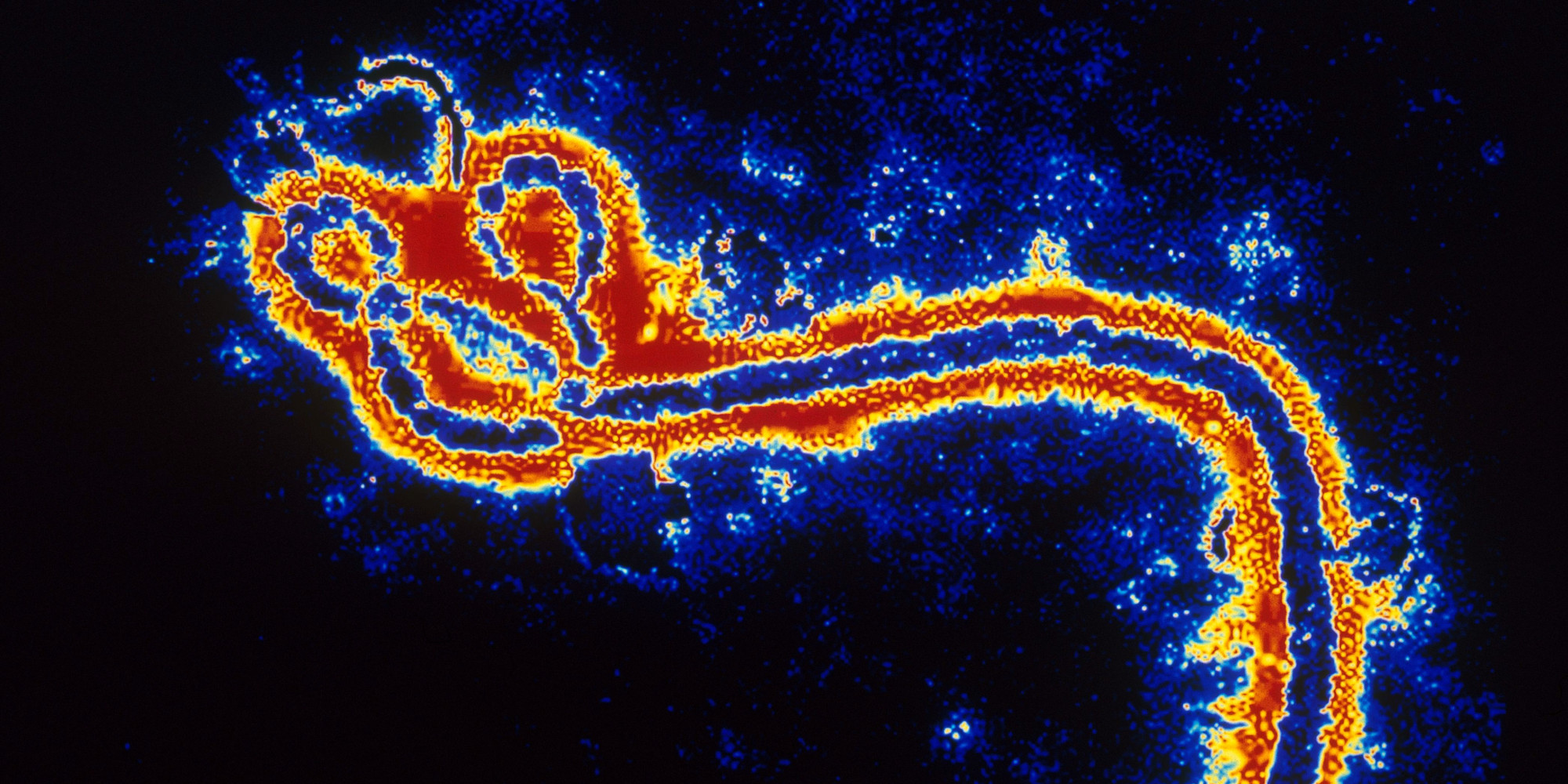
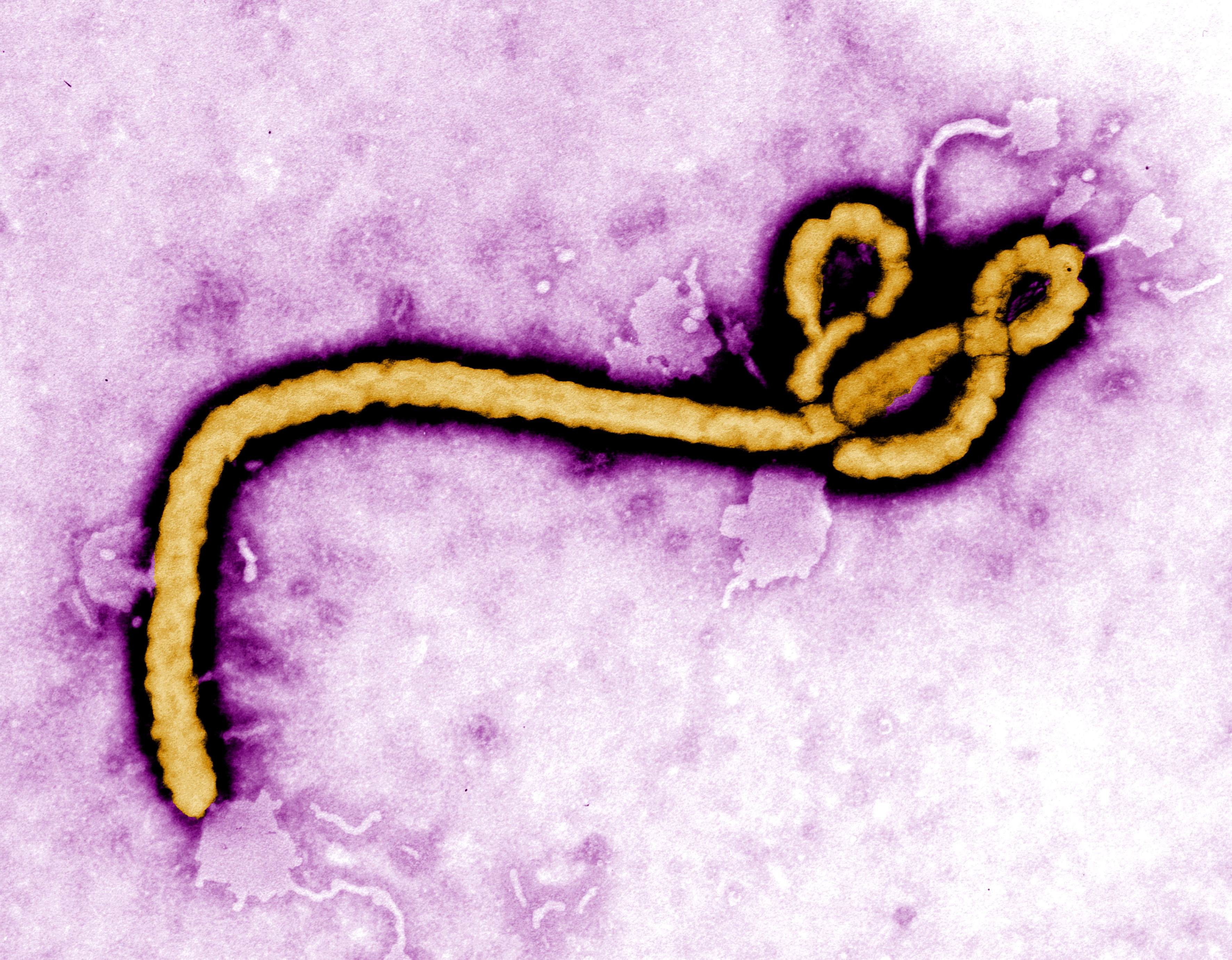
Causes of Ebola
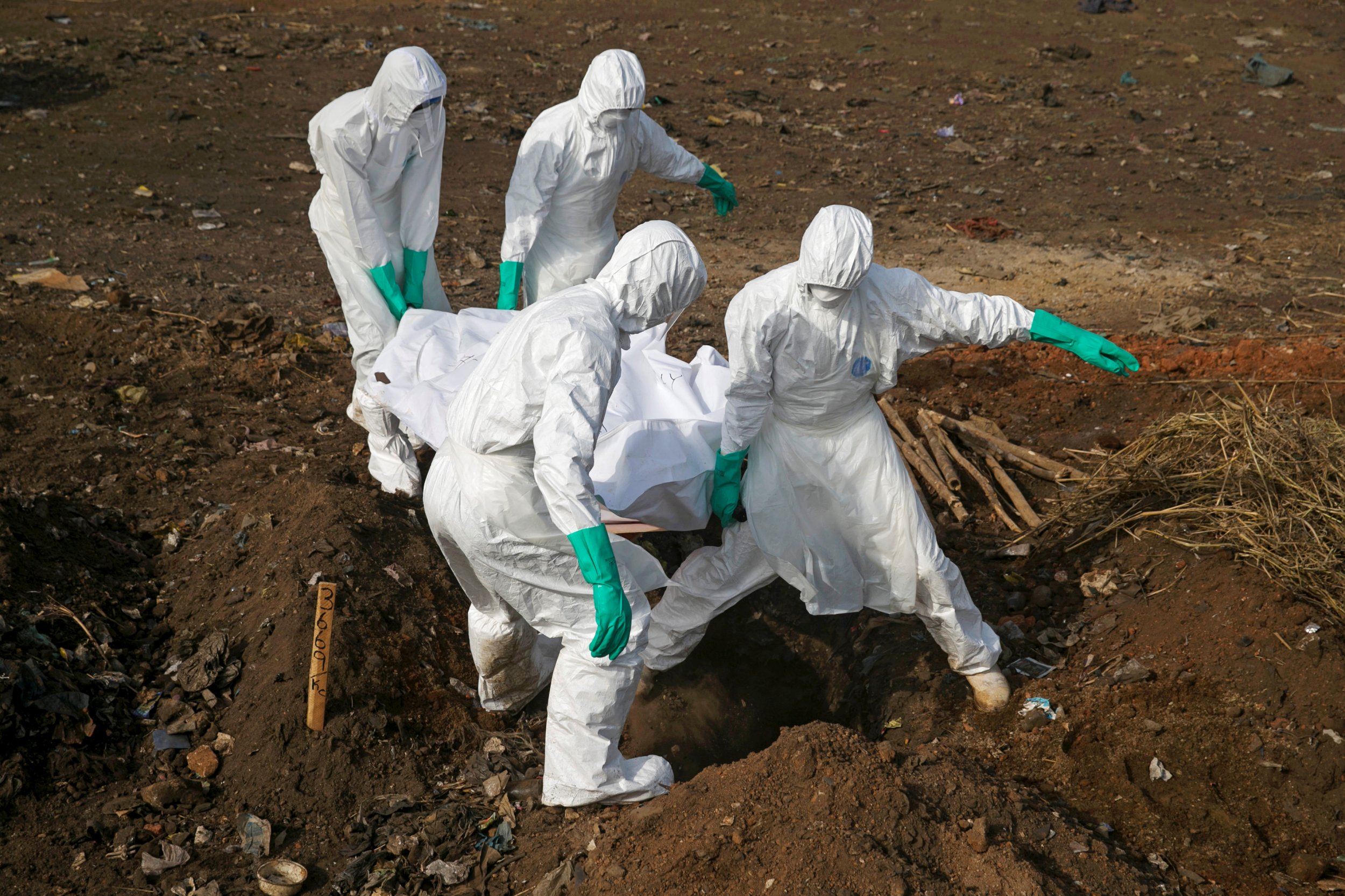

Symptoms of Ebola
The symptoms of Ebola can vary, but they typically include: Fever Fatigue Muscle pain Headache Sore throat Vomiting Diarrhea Abdominal pain Bleeding or bruising These symptoms can appear anywhere from 2 to 21 days after exposure to the virus.
Treatment of Ebola
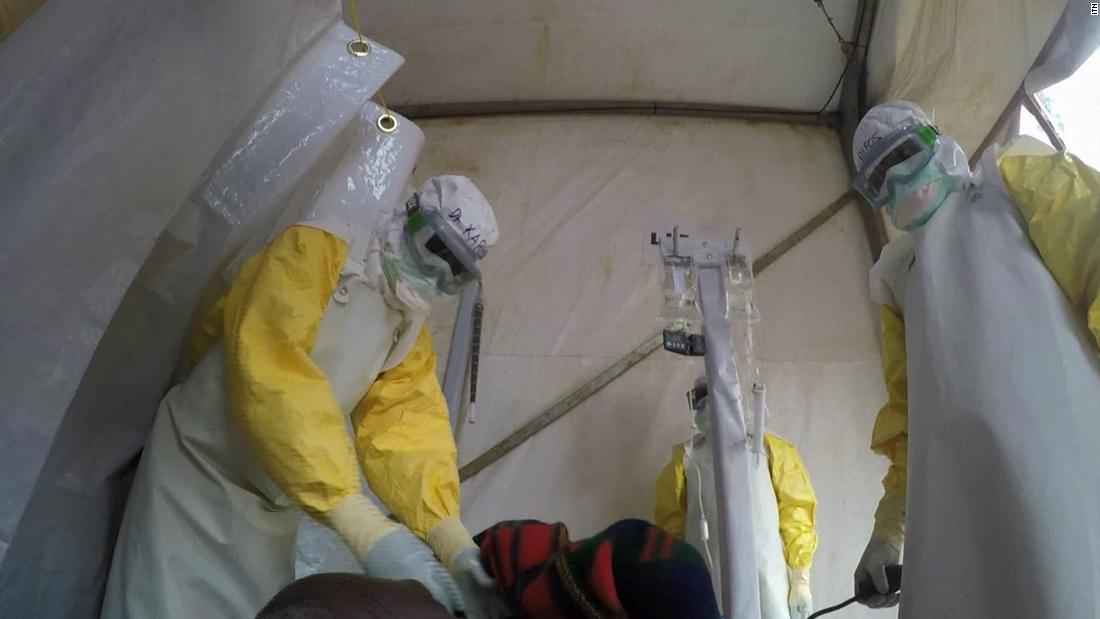
While there is no specific treatment for Ebola, supportive care, such as fluid replacement, oxygen therapy, and management of symptoms, can improve the chances of survival. In severe cases, hospitalization may be necessary to provide close monitoring and care.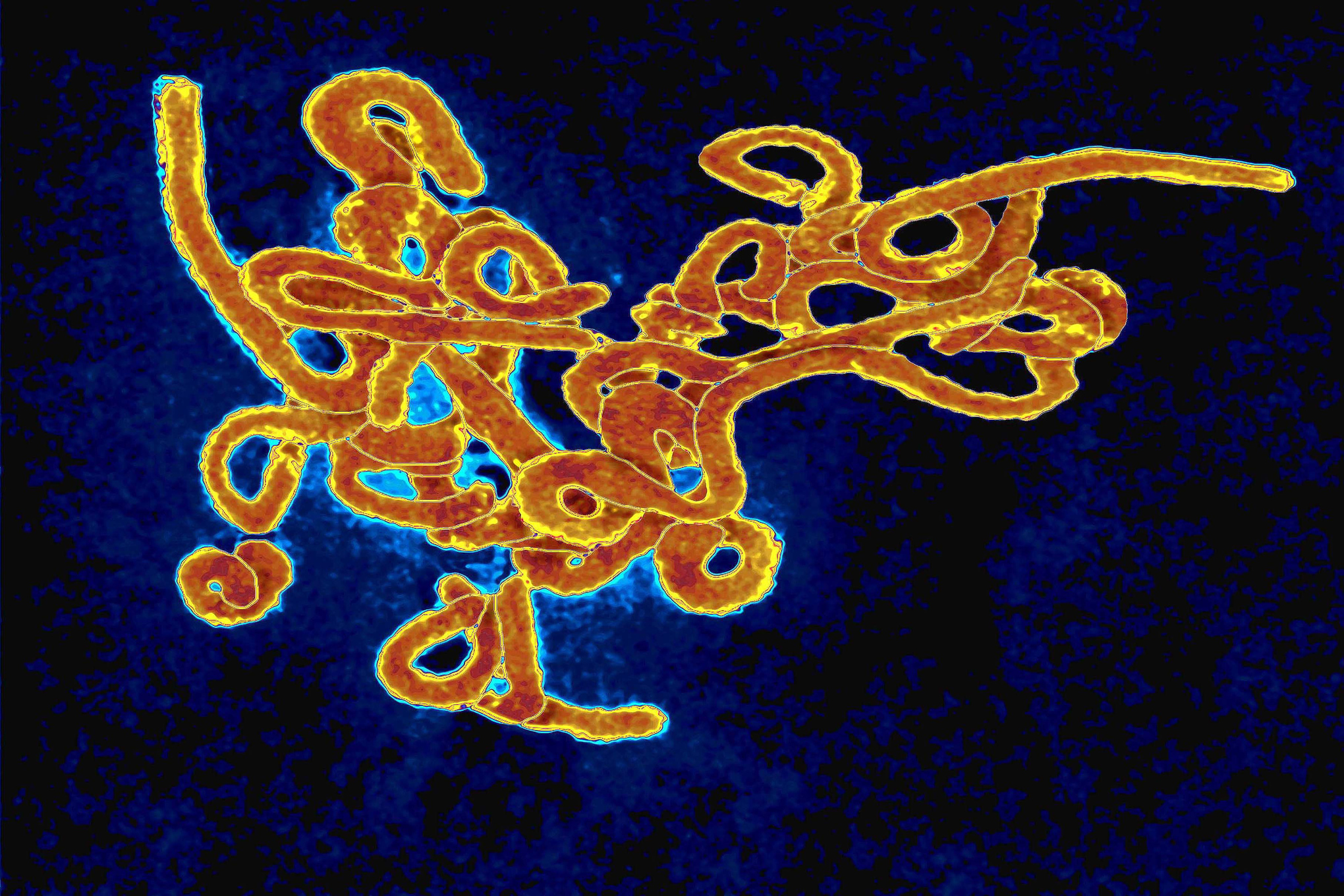
Prevention of Ebola
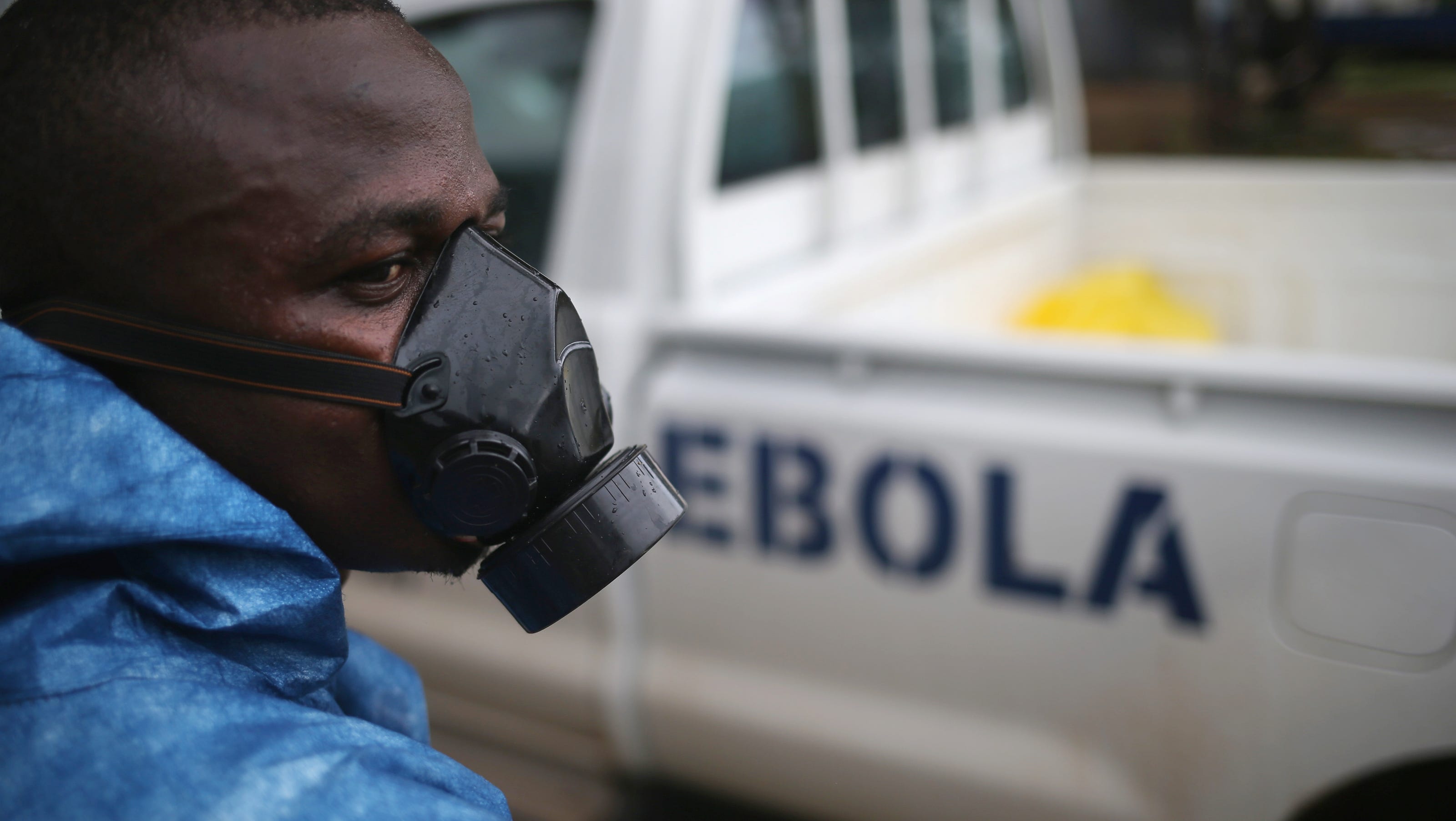
Prevention is key to controlling the spread of Ebola. The following measures can help prevent the transmission of the virus: Practice good hygiene, such as frequent handwashing with soap and water Avoid close contact with people who are sick Avoid touching or handling bodily fluids, such as blood and sweat Wear protective clothing, such as gloves and masks, when caring for someone who is sick Avoid eating or handling bushmeat, such as fruit bats and nonhuman primates Ebola is a severe and often deadly viral illness that requires prompt attention and care. By understanding its causes, symptoms, treatment options, and preventive measures, we can work together to mitigate its spread and protect ourselves and our communities. If you suspect that you or someone you know has been exposed to Ebola, it is essential to seek medical attention immediately. For more information on Ebola and other health topics, visit the Cleveland Clinic website.Keyword: Ebola, Ebola virus, causes of Ebola, symptoms of Ebola, treatment of Ebola, prevention of Ebola, Cleveland Clinic